
Your Custom Amino Acid Manufacturer
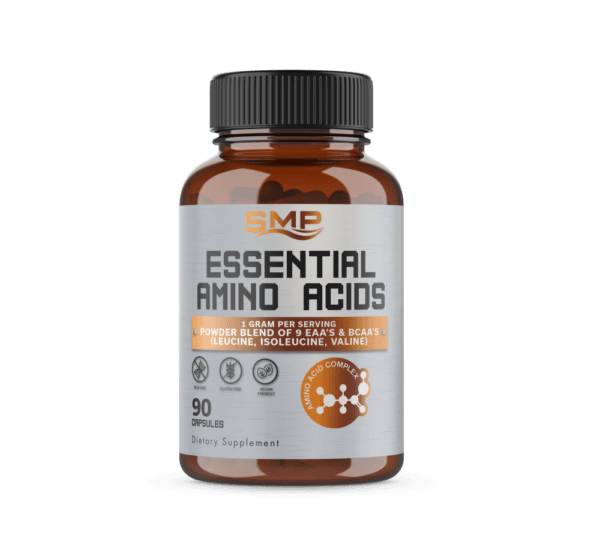
Custom amino acid supplement manufacturing including essential, branched-chain, and specialty amino acid formulations.
SMP stands for Supplement Manufacturing Partners. Our team is dedicated to being your partner in most efficiently manufacturing your growing supplement business to scale.
Amino acids have been known to be very important for a number of reasons. They have been used in supplements for years and have continued to sell very well. SMP Nutra is capable of manufacturing any type of custom nutraceutical amino acid formula to the highest quality.
Blending
Your amino acid supplement formula is blended to ensure an even distribution of ingredients in each supplement.
Bottle/Bag Filling
Once all of the ingredients in your formula are blended, they are filled into your bottle or bag of choice. We offer some amazing packaging options to fill your supplement with.
Polishing & Inspection
Each bottle is polished for a clean, finished look and triple-inspected for any defects.
Testing
After the supplement is manufactured, post-inspection, we run identity, potency, microbial, and heavy-metal tests to ensure pharmaceutical-grade quality.
Custom Private Label Amino Acid Supplement Manufacturing
We have the capabilities to manufacture any nutraceutical amino acid supplement formula. From sourcing each ingredient in your formula to post-fill inspection, we do it all at the best prices and the fastest lead times.
We have the experience to help you formulate a new product for your target audience, or to discuss with you how to properly scale your manufacturing. As your partner, it is our job to deliver long-term amino acid supplement manufacturing success.
What Are Amino Acids?
Just how important are amino acids?
Amino acids are the building blocks that form one of the most important needs of our body: proteins. Amino acids are consumed in many ways by consumers who need them to build up their protein intake. One of the most common uses we see in the market for these supplements is in the form of protein powder or whey powder. These supplements provide the body with a quick boost of protein that helps in activities like bodybuilding and other similar activities.
How Are Amino Acids Gathered?
Amino acids that are going to be used in supplements come from a number of sources.
To make the powder effective in delivering the desired energy, it is formed through amino acids directly. Our bodies are already breaking down the protein we consume in our food to get to the amino acids. To create these supplements, several different techniques are used. The most common source for acquiring amino acids is through fermentative organisms. These sources include bee pollen, whey, the protein found in soy, and several others.
Even with the advancement of technology, there are almost no processes that involve the synthetic production of amino acids on an industrial scale. Fermentation is still the most commonly followed process for acquiring amino acids. However, some types require chemical processes for manufacturing, such as methionine.
The use of vegetable sources has grown a lot more in recent years, as the demand for vegetarian options for amino acid supplements has seen growth.
- Meat
- Eggs
- Soy
- Cottage cheese
Some of the Most Common Amino Acids
The human body uses 21 amino acids to properly produce protein.
Amino acids have a large role in the body. While we only need 21 different amino acids to function, nine of them are essential, meaning we cannot make them naturally within our bodies. A proper diet or supplements are then needed for these nine amino acids.
There is also a handful of other amino acids that are important, and some include:
- Leucine
- Valine
- Methionine
- Cysteine
- Proline
What is Leucine?
Leucine is a proteinogenic BCAA.
Leucine is an essential amino acid that is used in the natural production of protein in our bodies. Being an essential amino acid means it is not produced naturally in the body, so we must ingest it from our diet. Some sources of leucine include meats, dairy products, soy products, and beans.
Additionally, leucine is also a ketogenic amino acid, and is often regarded as the most important one at that. Most of the leucine will be metabolized in the liver and muscle tissue. This is a very important amino acid that is commonly used in supplements for various reasons.
What is Valine?
Valine is a hydrophobic proteinogenic BCAA.
Valine is quite similar to leucine. It is an essential amino acid that must be ingested through our diet, and it has the same sources, which include meats, dairy products, soy products, and beans.
Although, valine has some distinctly different potential uses. To note, valine is hydrophobic. This means it does not like to adhere to or come in contact with any sort of liquid. This has some effects on the molecular level in the body that verify how valine may be quite important.
What is Methionine?
One of the many amino acids, methionine has its own set of properties that make it important.
Methionine is a special amino acid. It has traits that other amino acids do not have. For example, it has the ability to be converted into sulfur-containing molecules.
For this amino acid, since it is an essential amino acid, we do not have the capability of producing it synthetically. This means the way methionine is collected is by extracting it from the many sources it comes from, like meat and eggs.
What is Cysteine?
A semi-essential proteinogenic amino acid, cysteine still holds value.
Cysteine is a semi-essential amino acid, meaning it may be produced in the body, but might not be produced enough. This can lead to someone needing to acquire it through diet or supplements.
Cysteine can be made synthetically. L-cysteine is commonly obtained through the process of hydrolysis of animal materials like feathers. Hydrolysis is a chemical reaction where a water molecule ruptures one or more chemical bonds.
Allowing for the production of cysteine through synthetic means allows for large batches of it to be produced while delivering consistent results in terms of concentration.
What is Proline?
Proline is a proteinogenic amino acid that is commonly included in many supplements.
Proline is common in a range of supplements, from collagen supplements to bone health supplements. It has posed as a great ingredient for them and has been used in the industry for years.
To use proline in a supplement, it must be acquired through one of its many sources, or be made synthetically.
Package and Label Design Options for Amino Acid Supplement Manufacturing
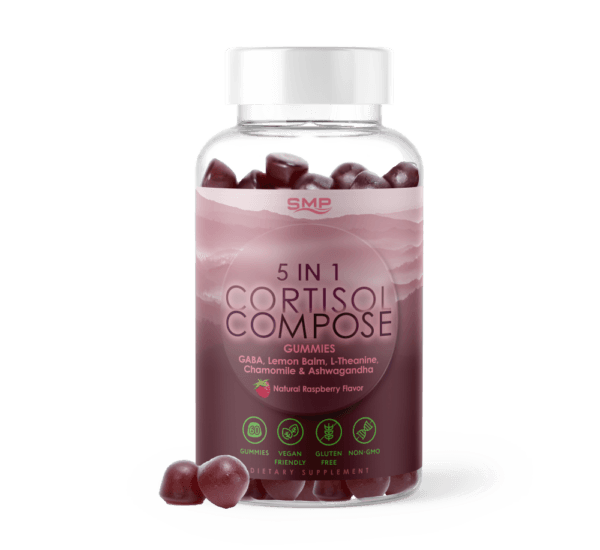
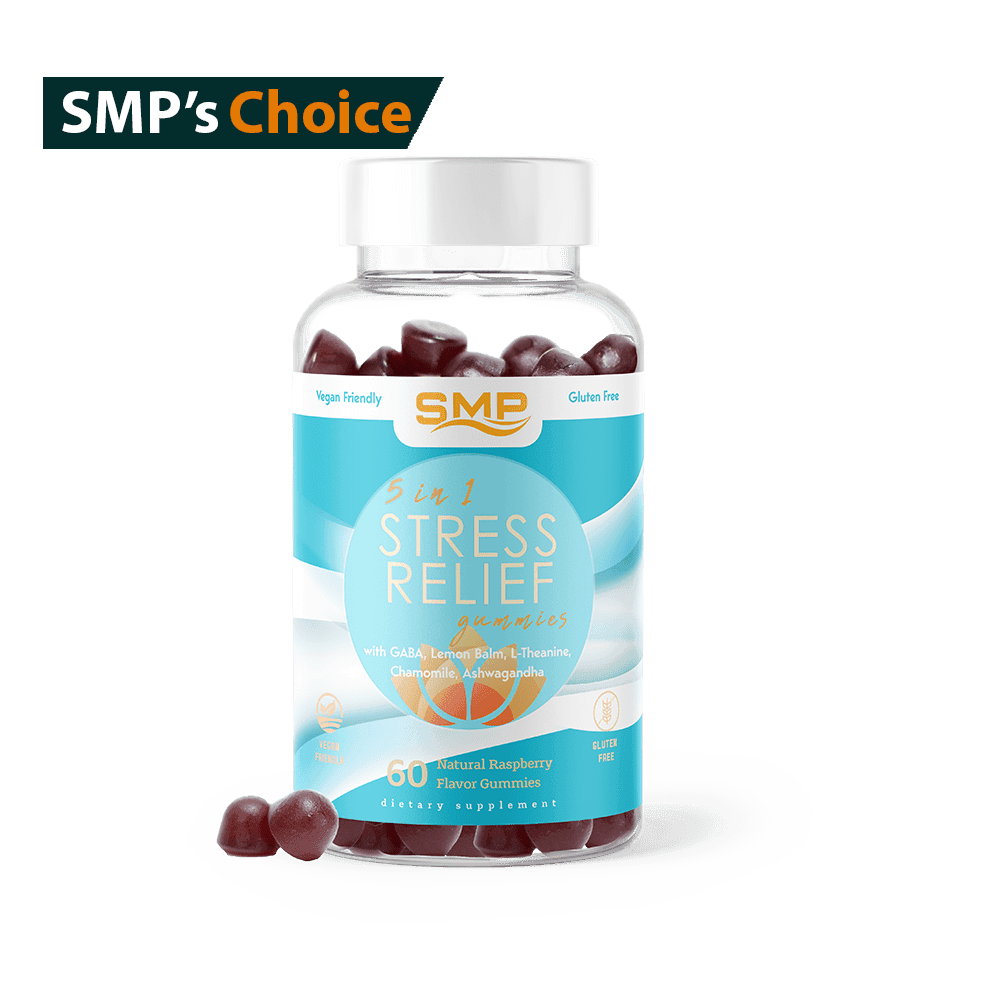
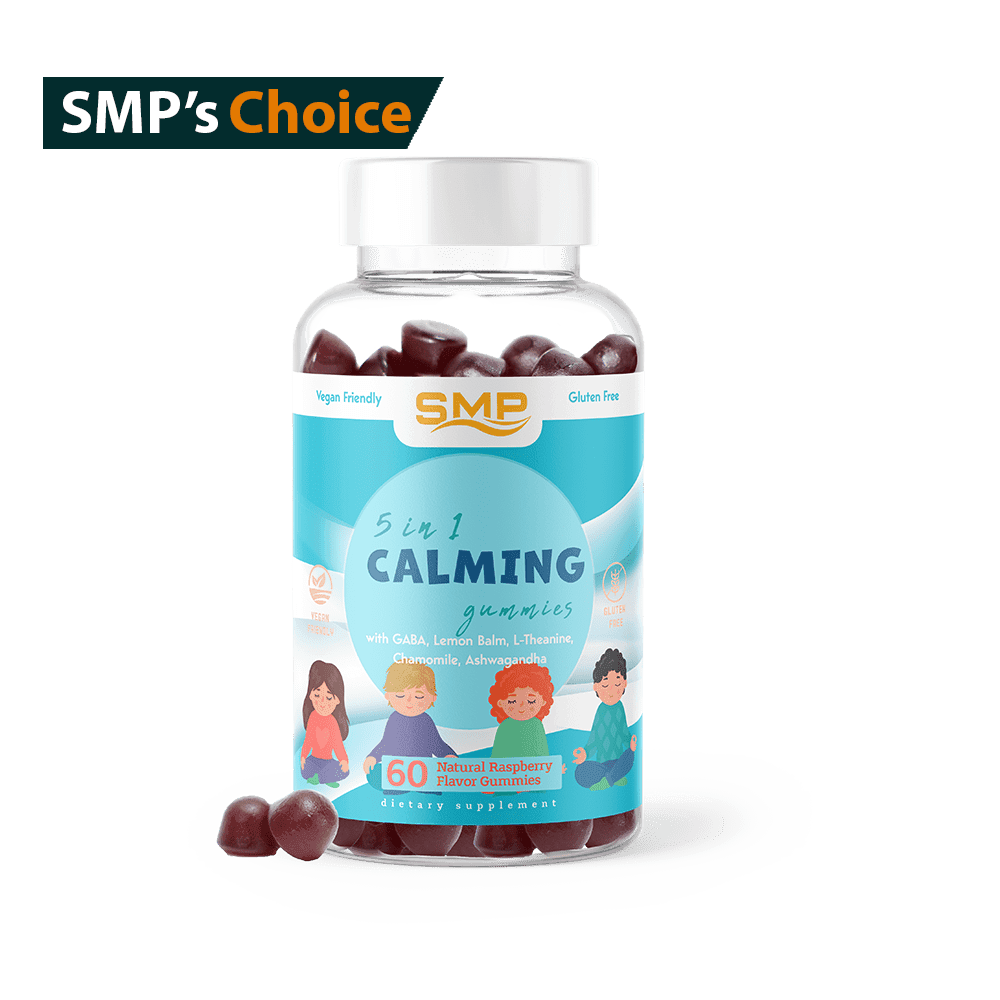
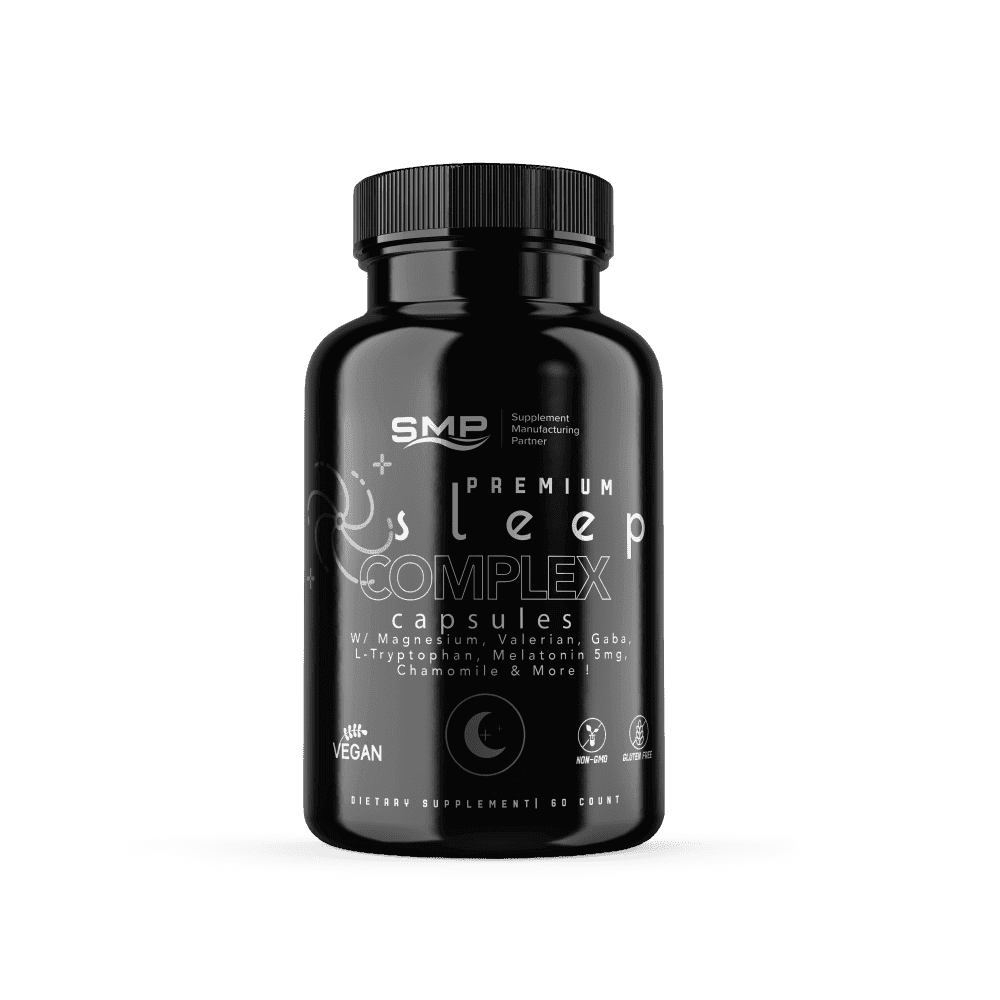
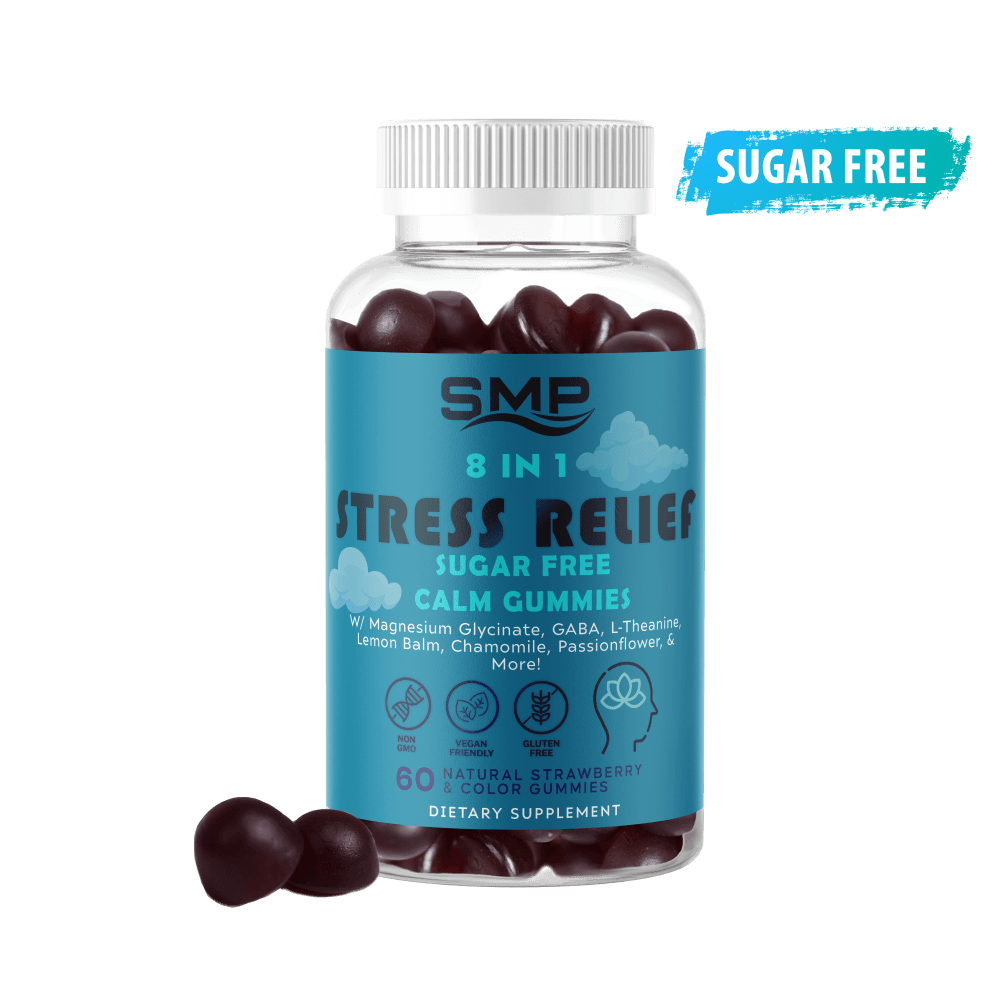
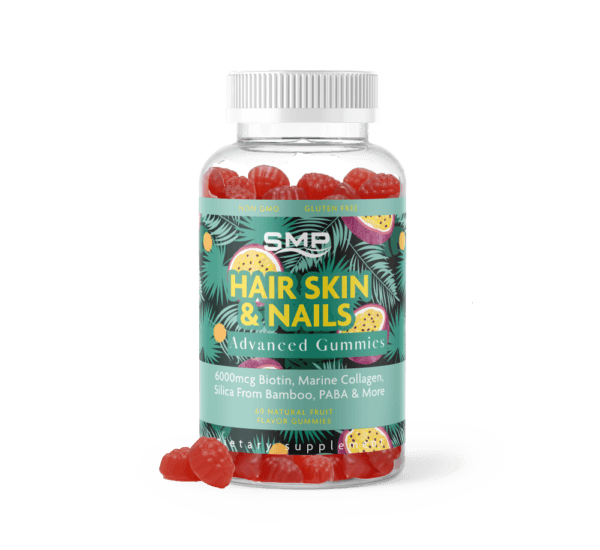
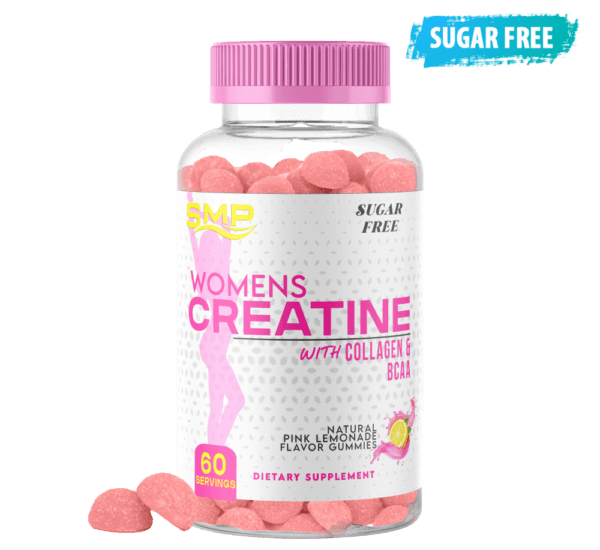
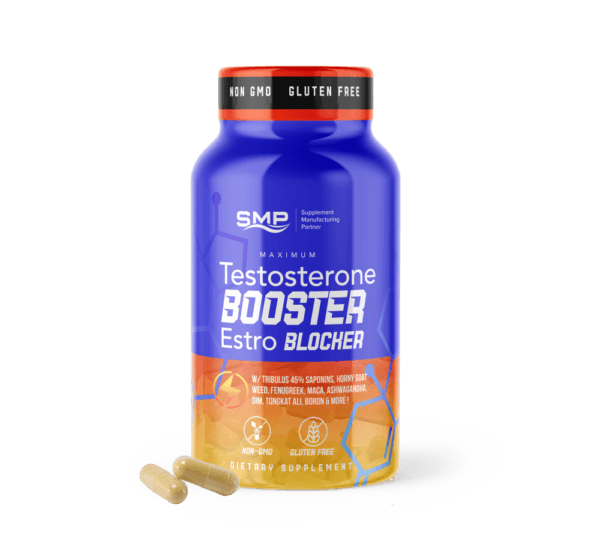
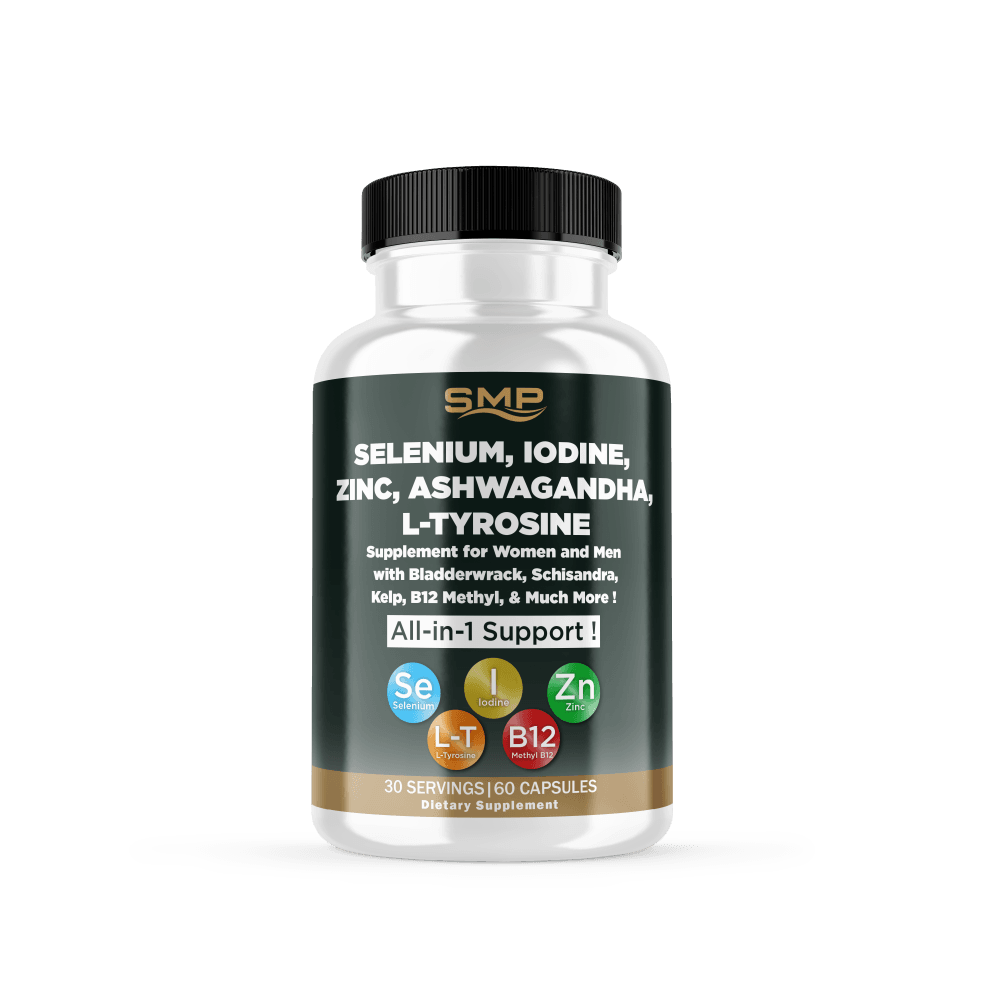
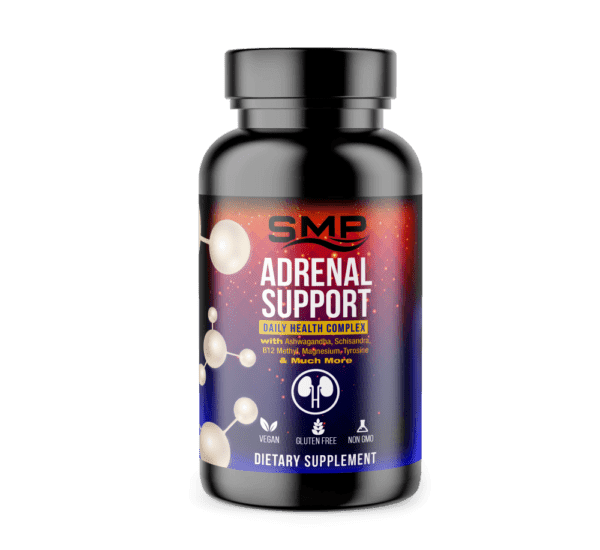
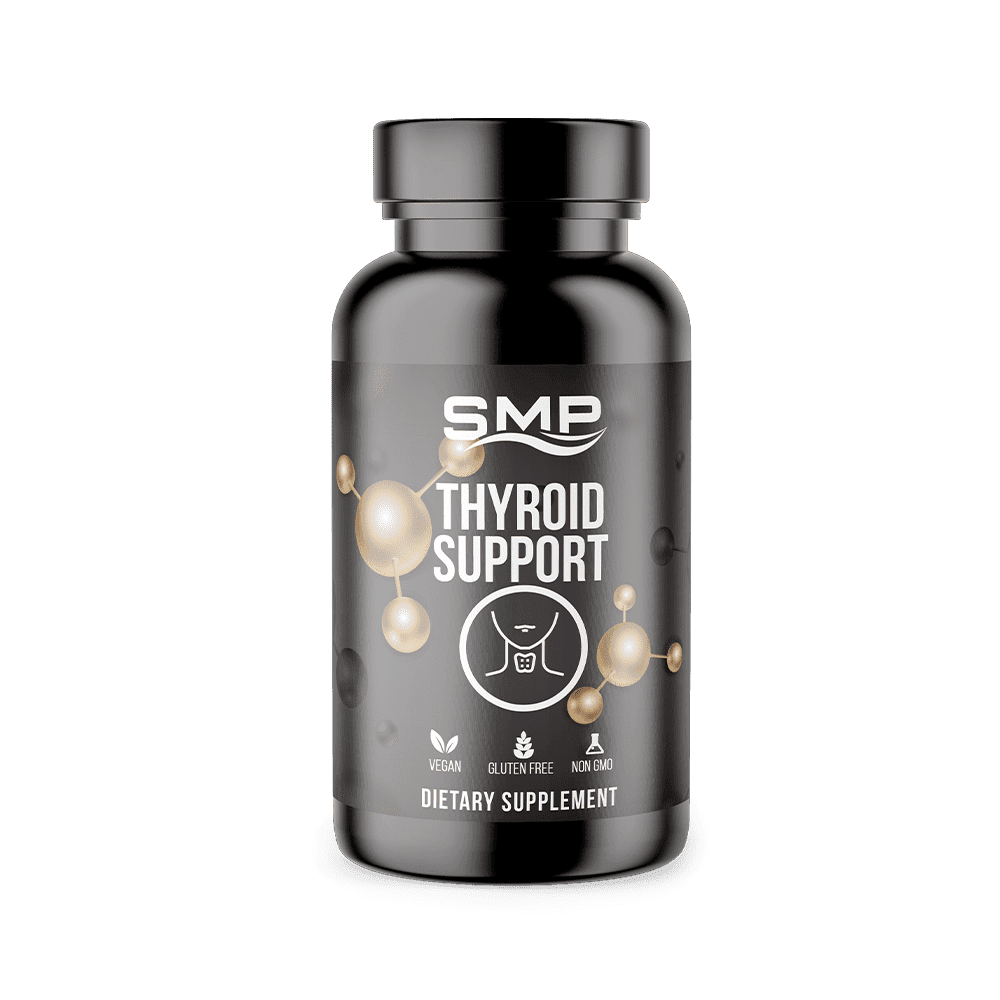
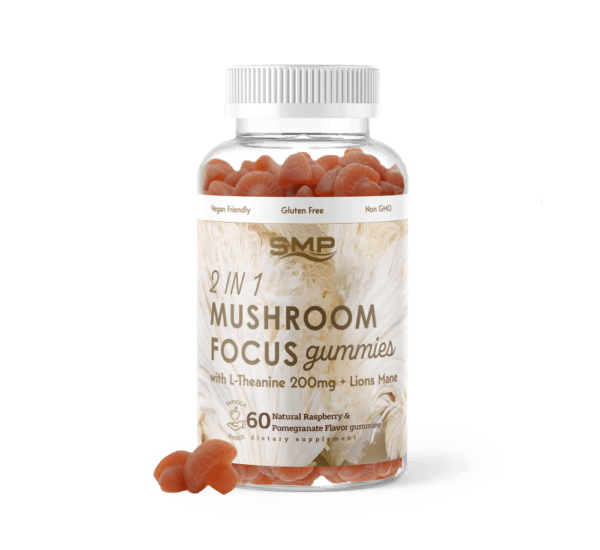
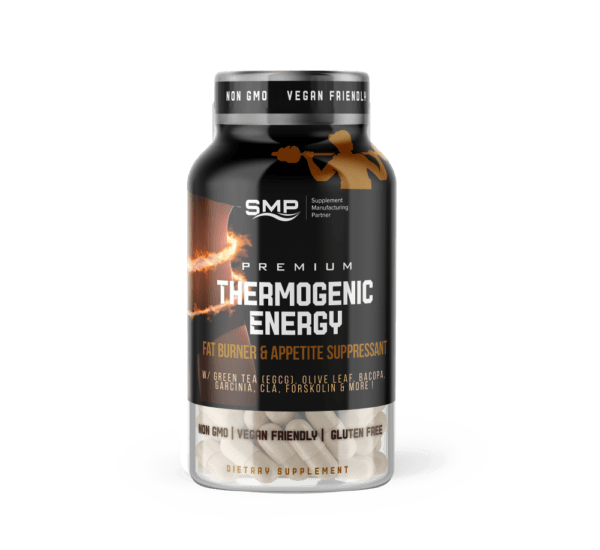
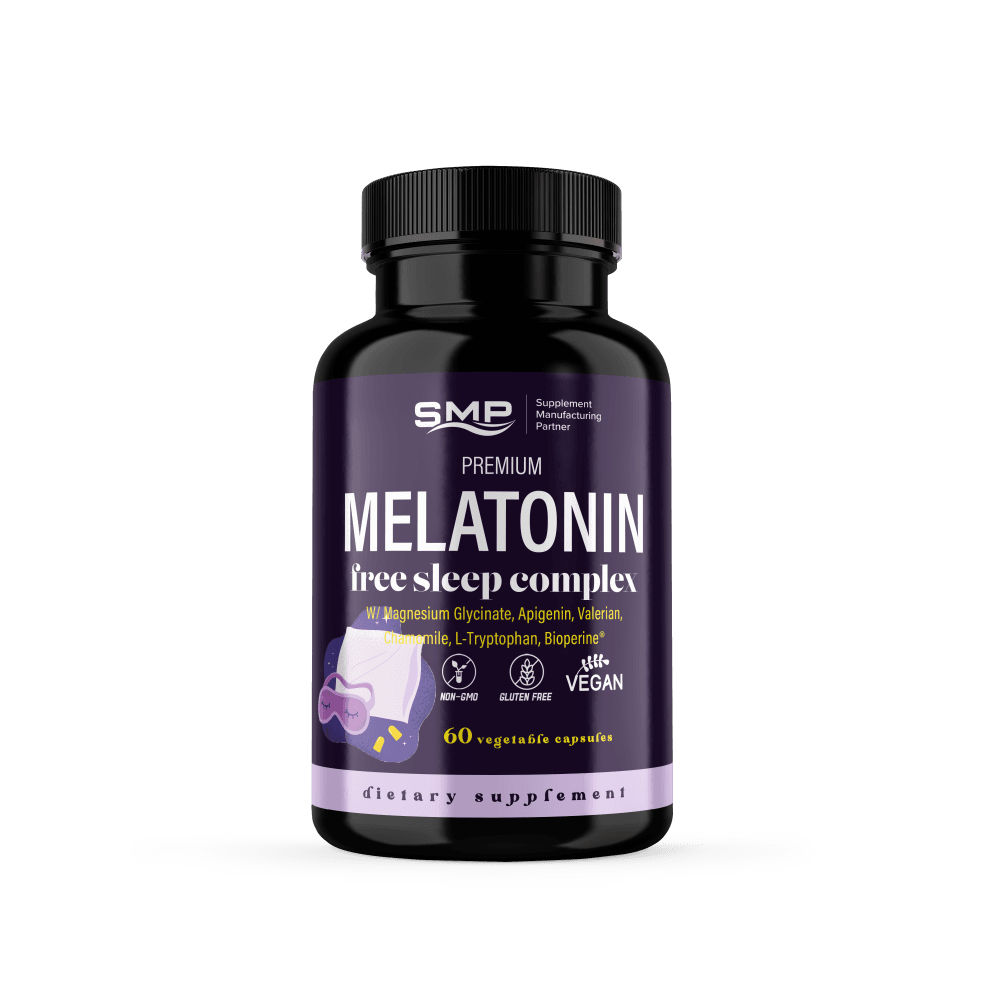
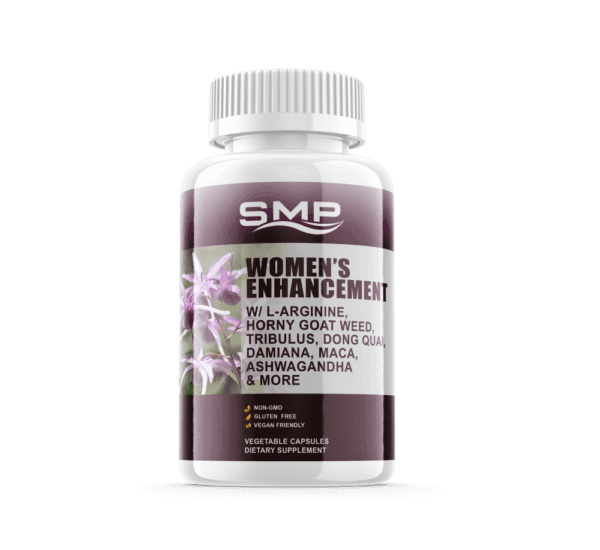
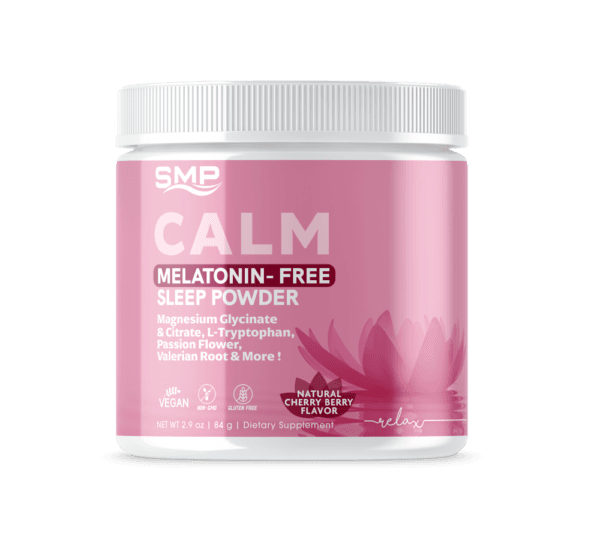
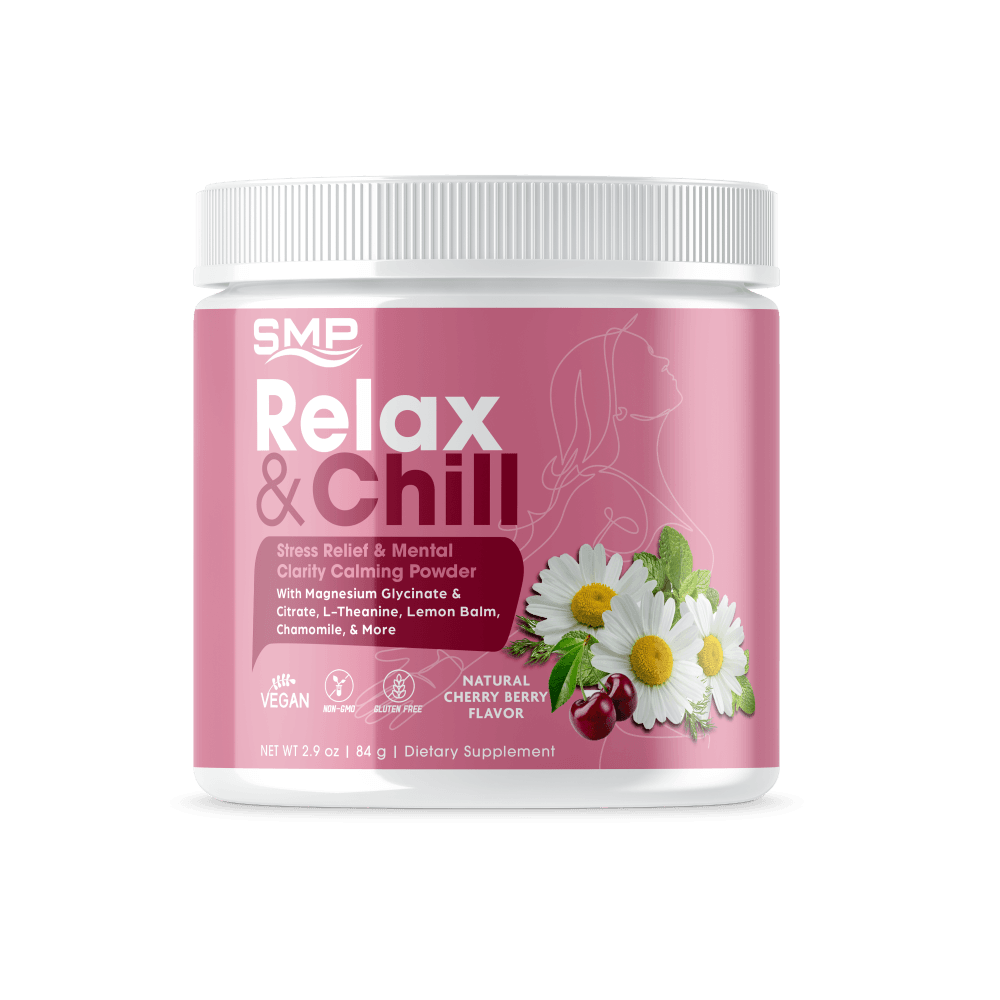
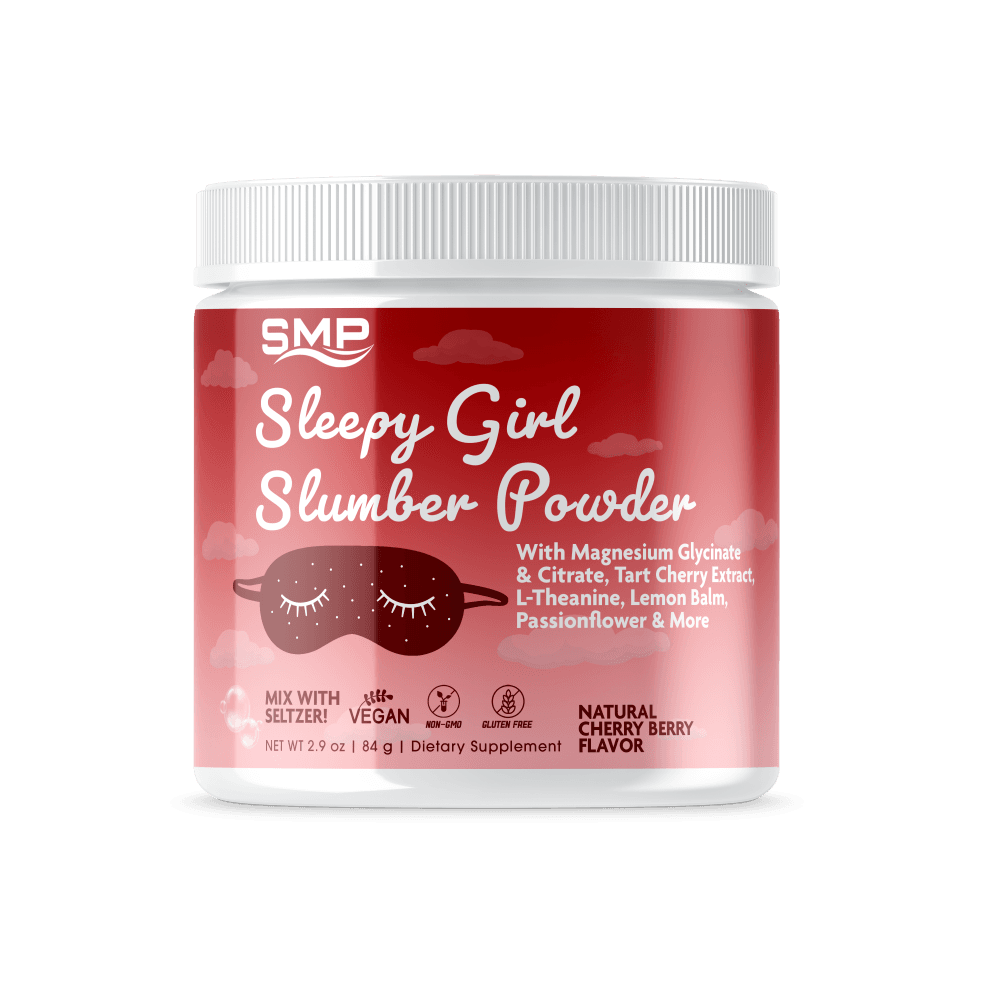
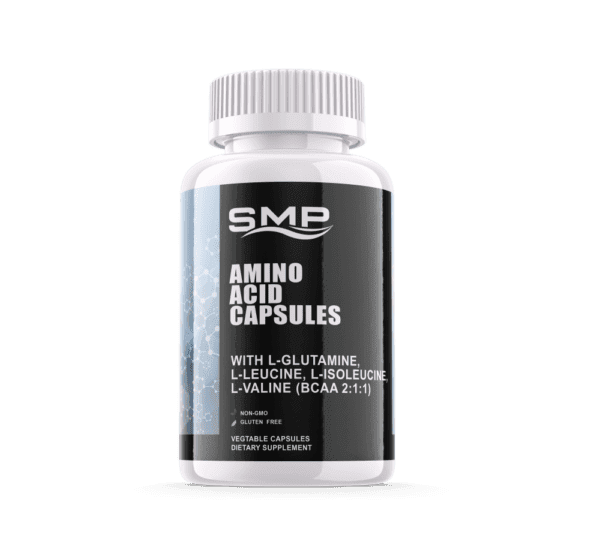
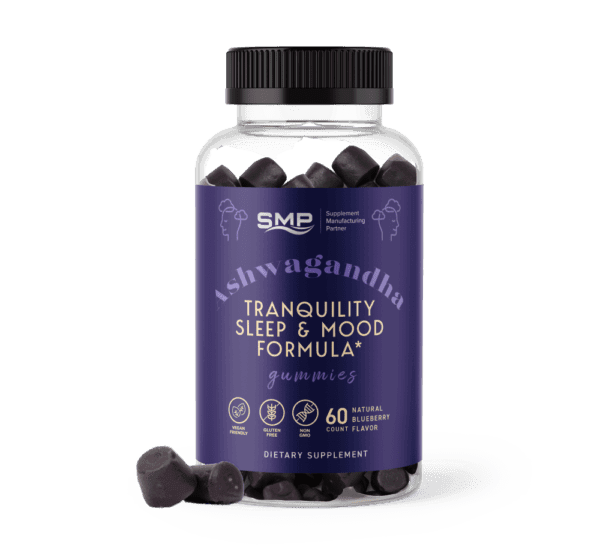
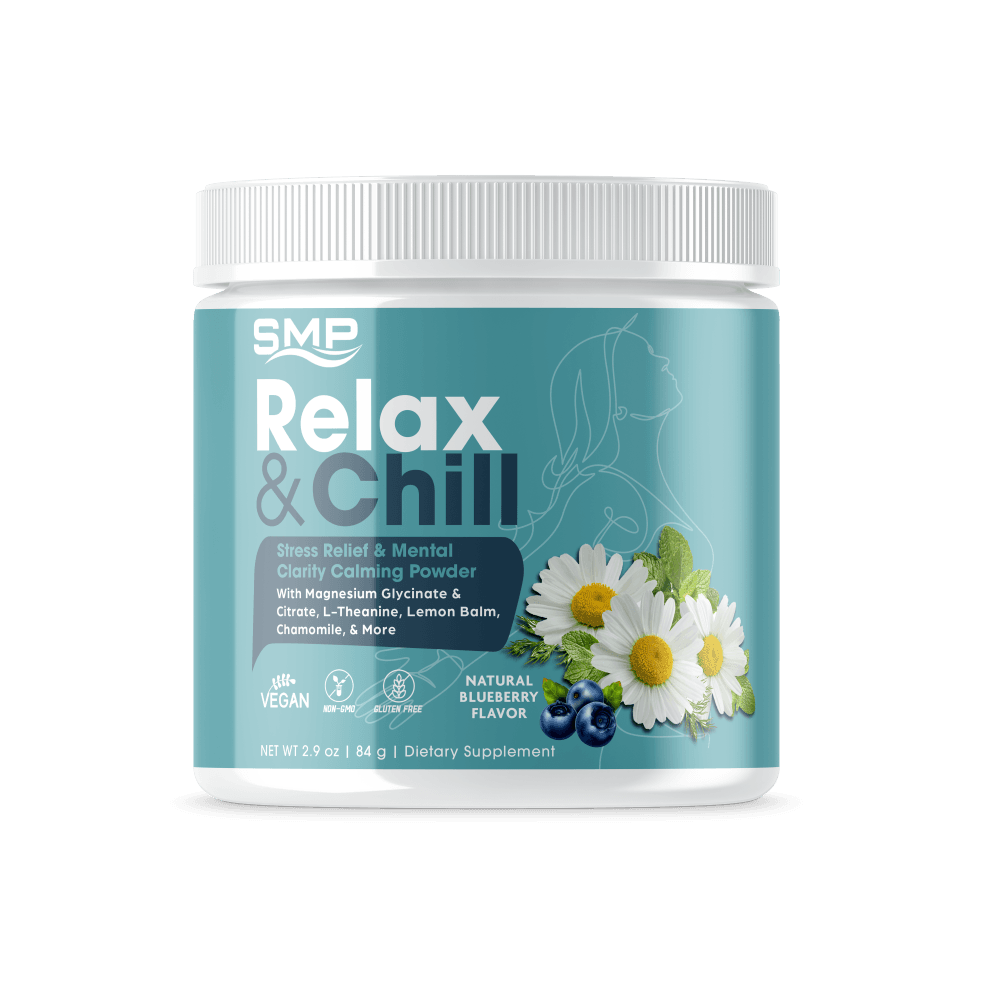
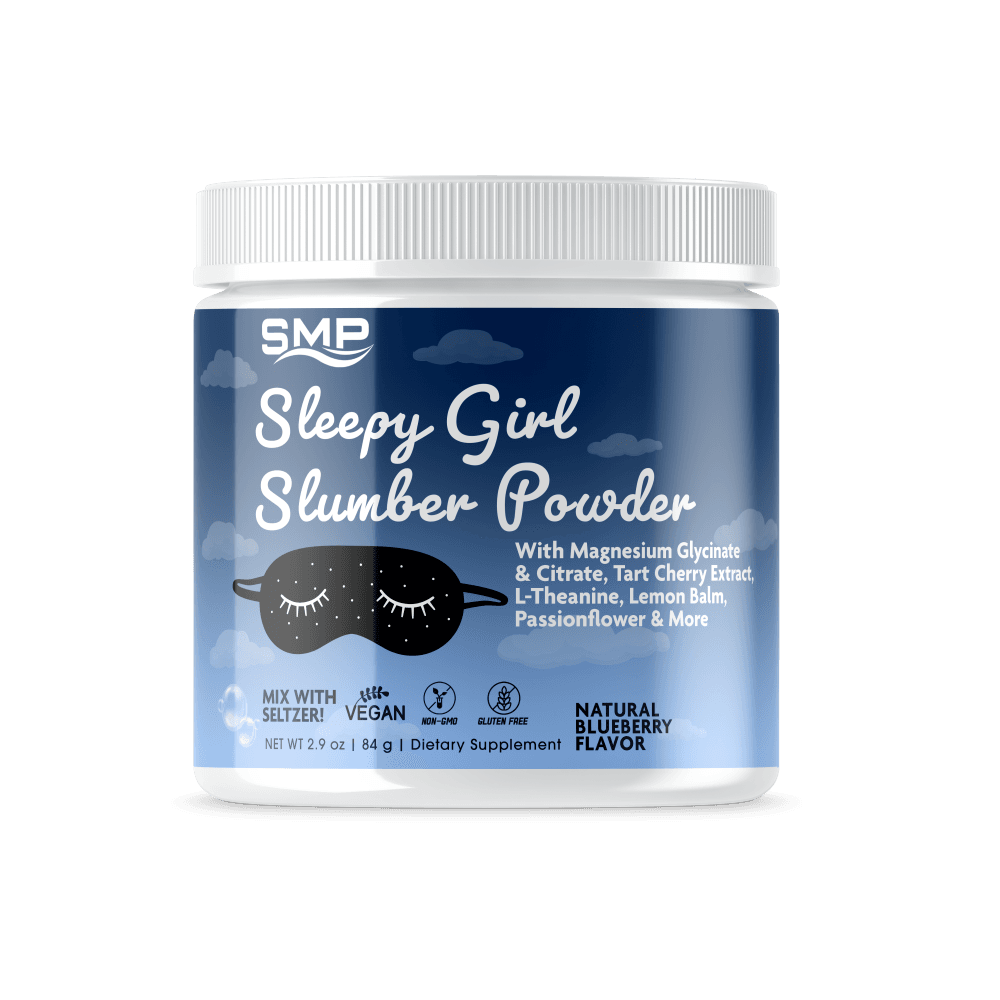
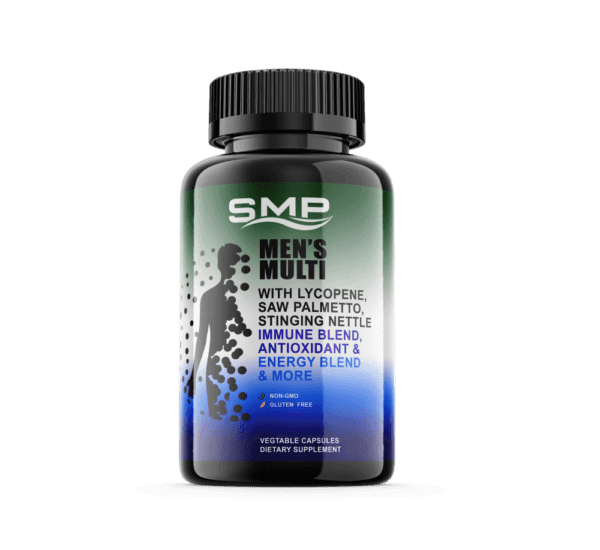
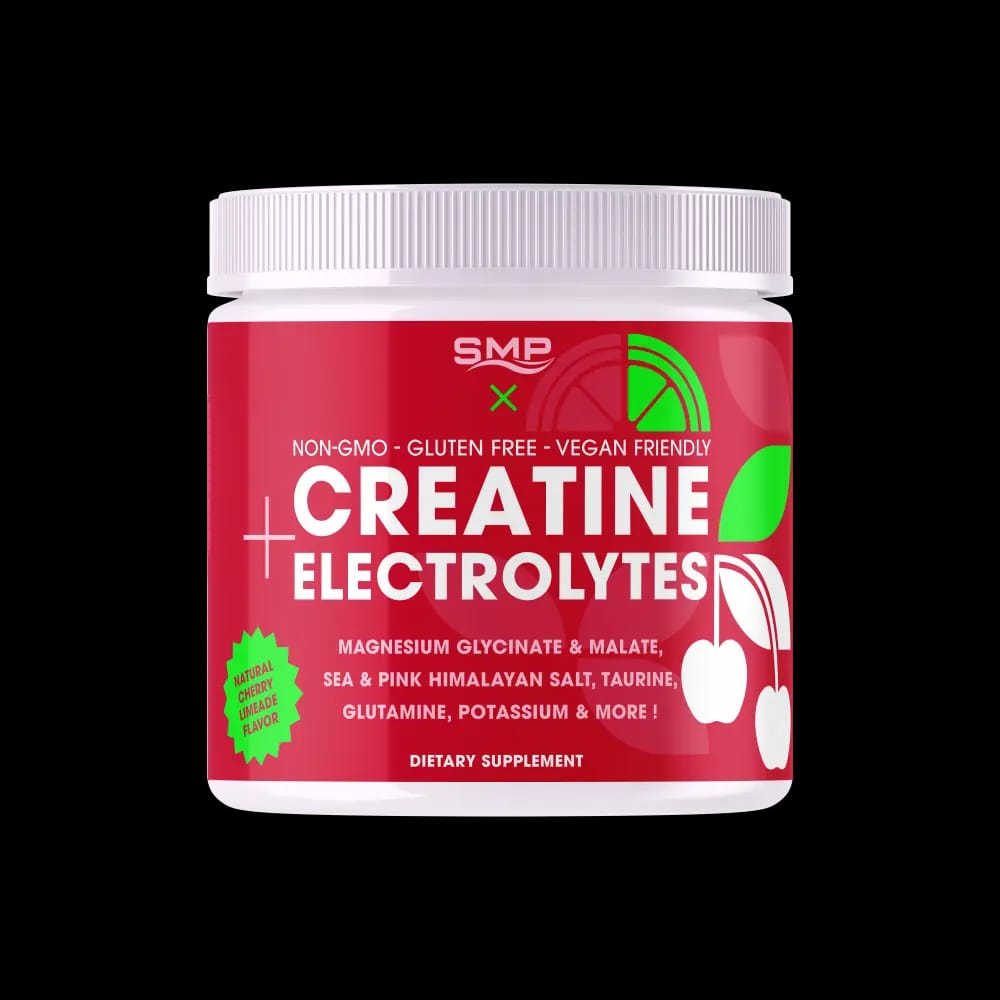
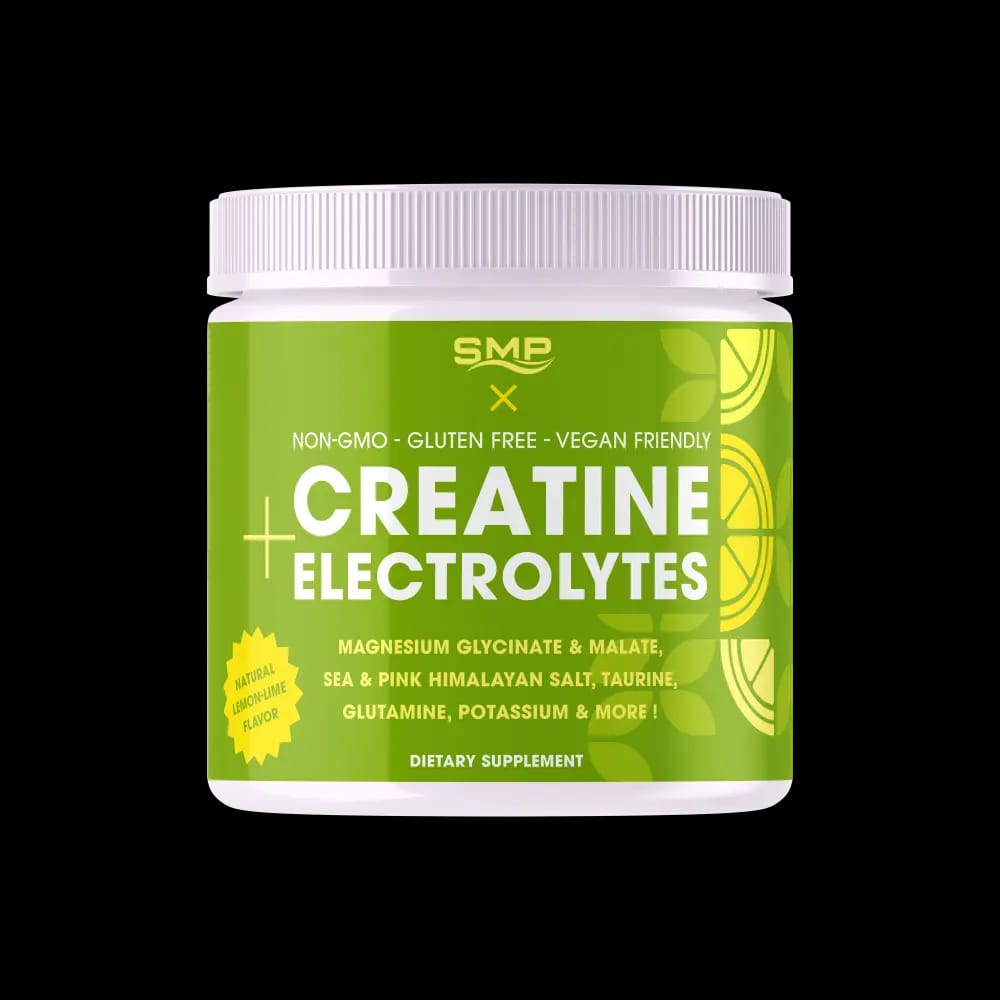
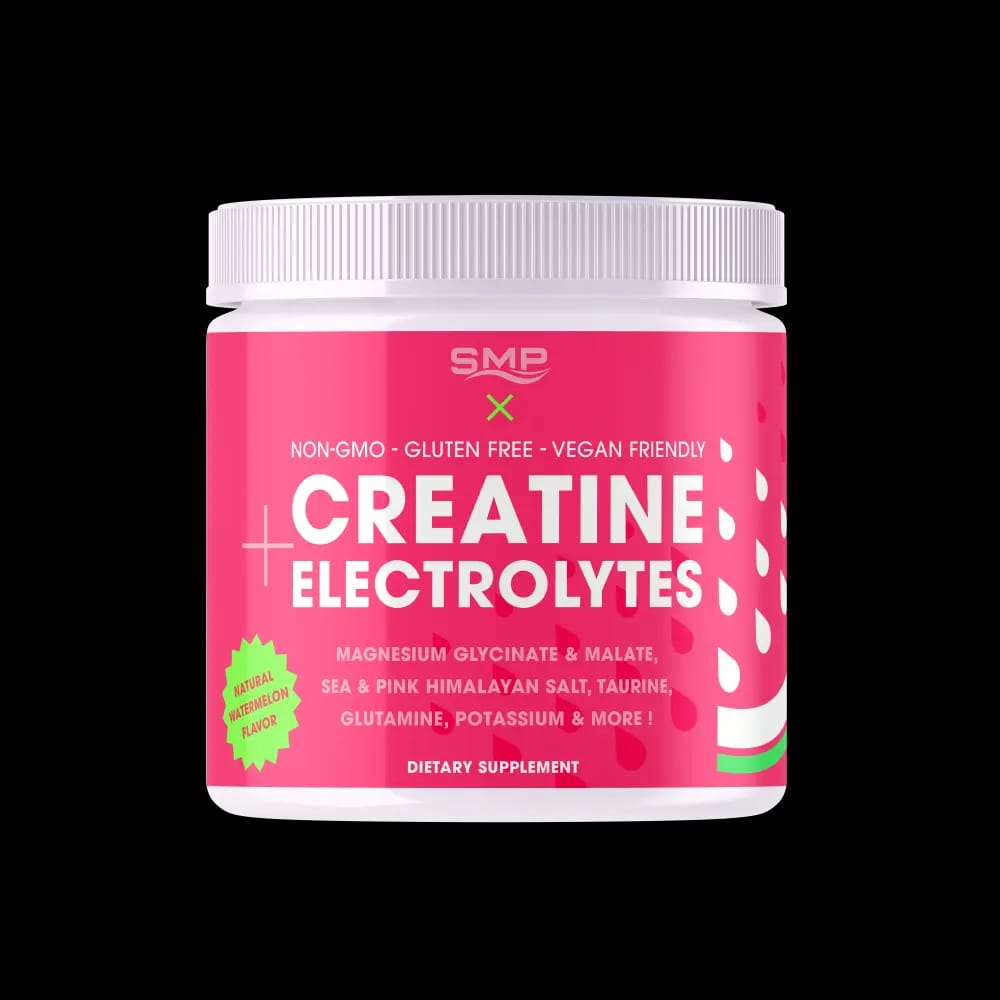
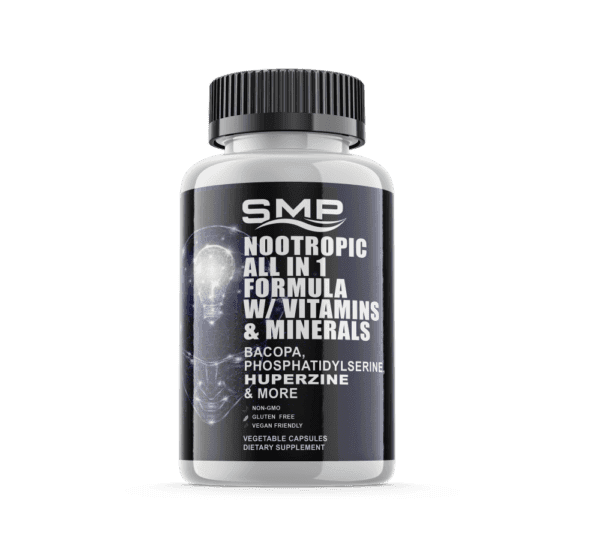
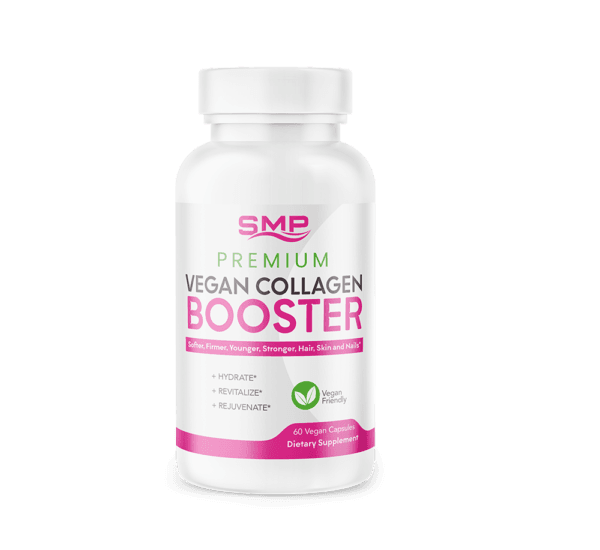
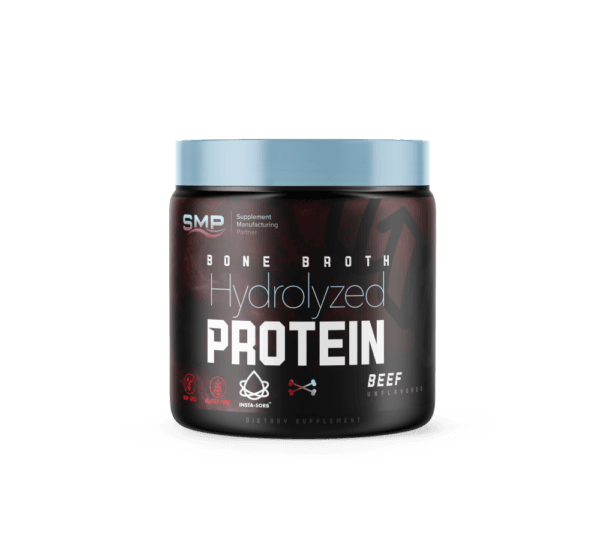
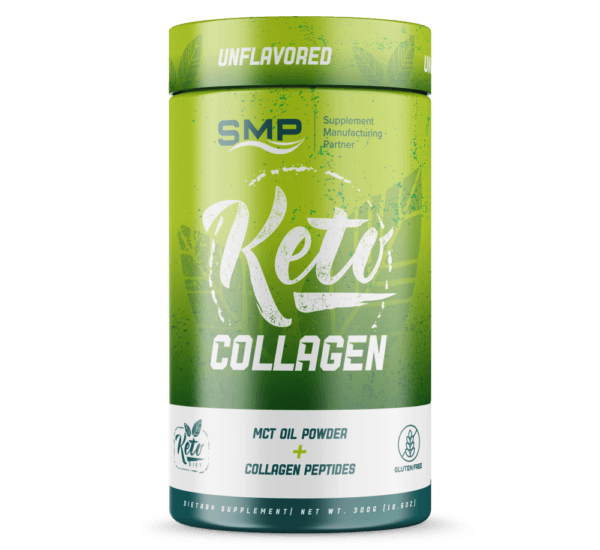
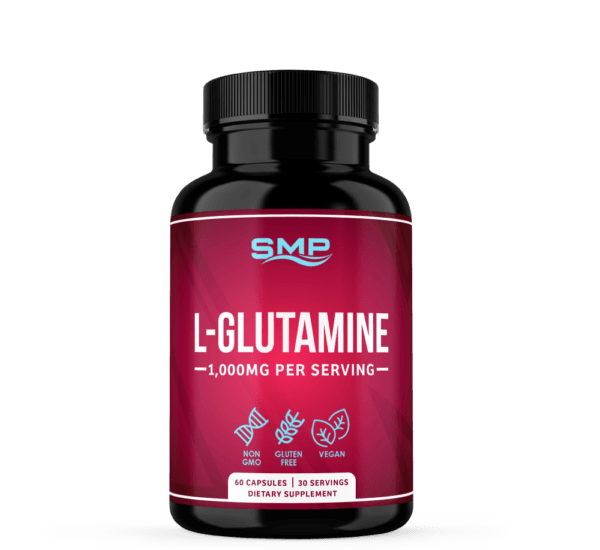
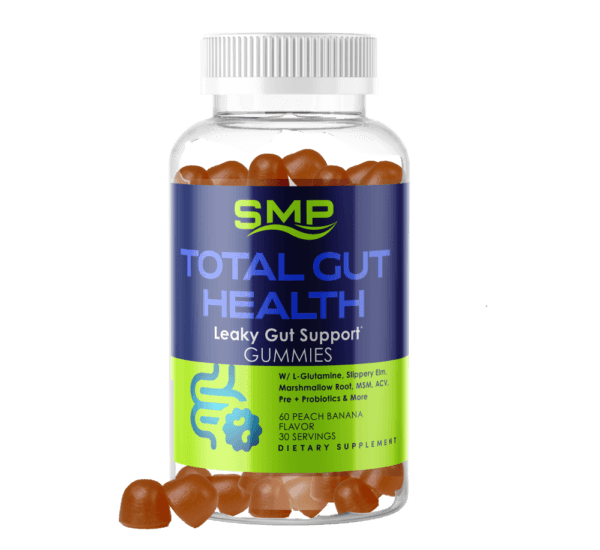
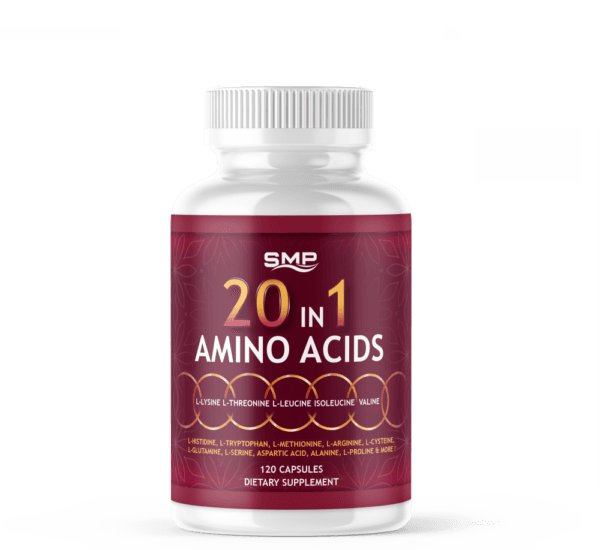
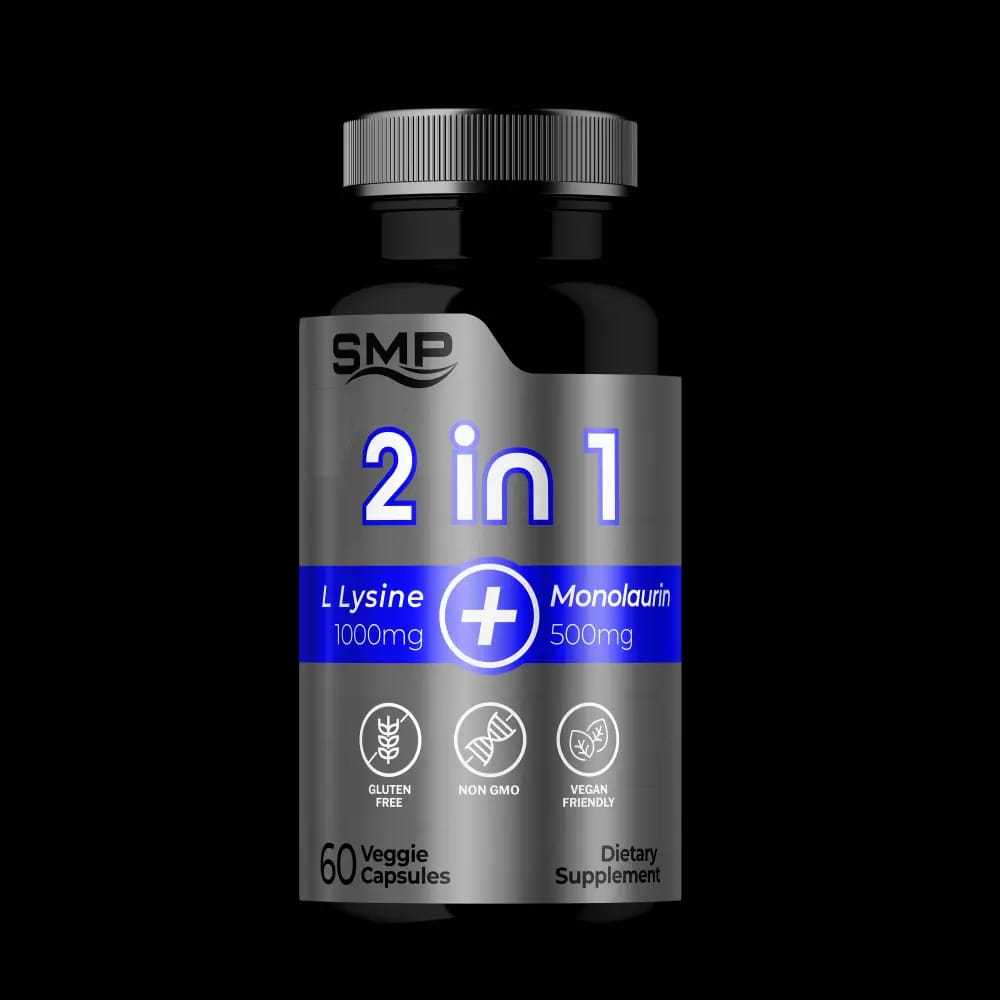
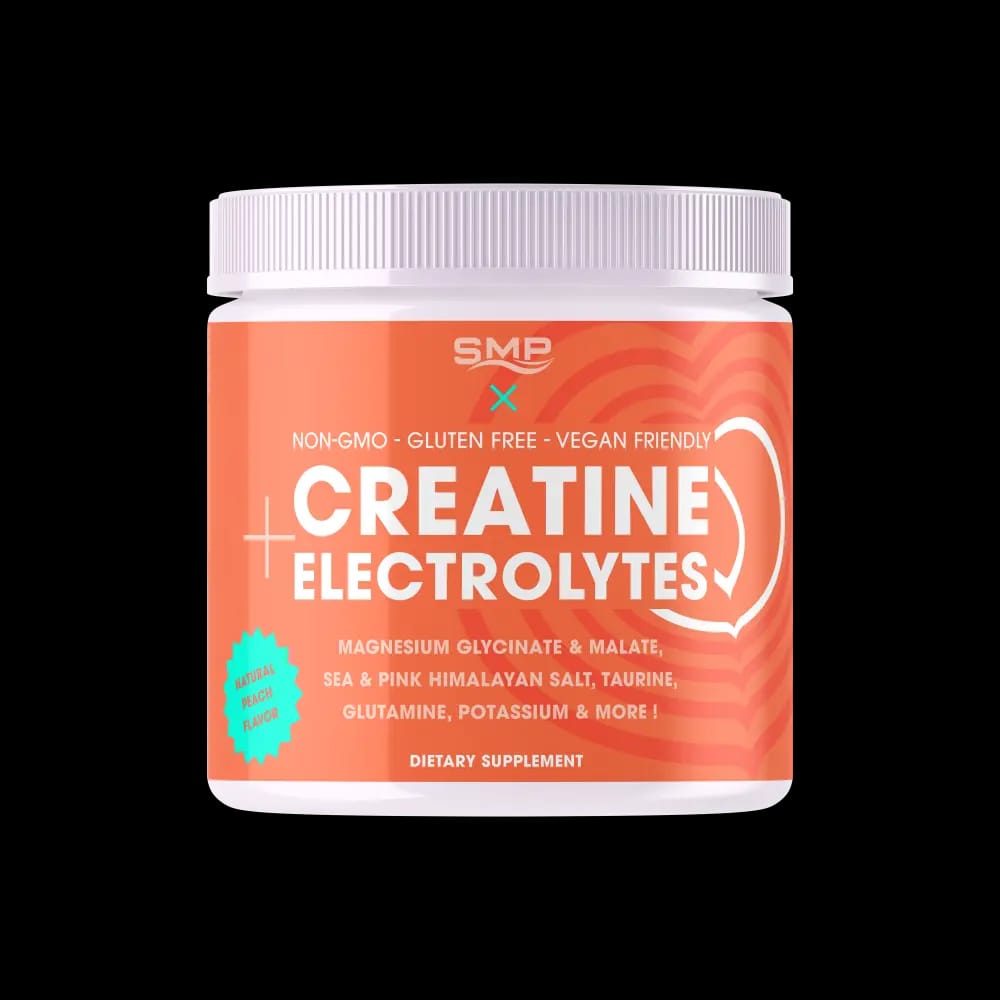
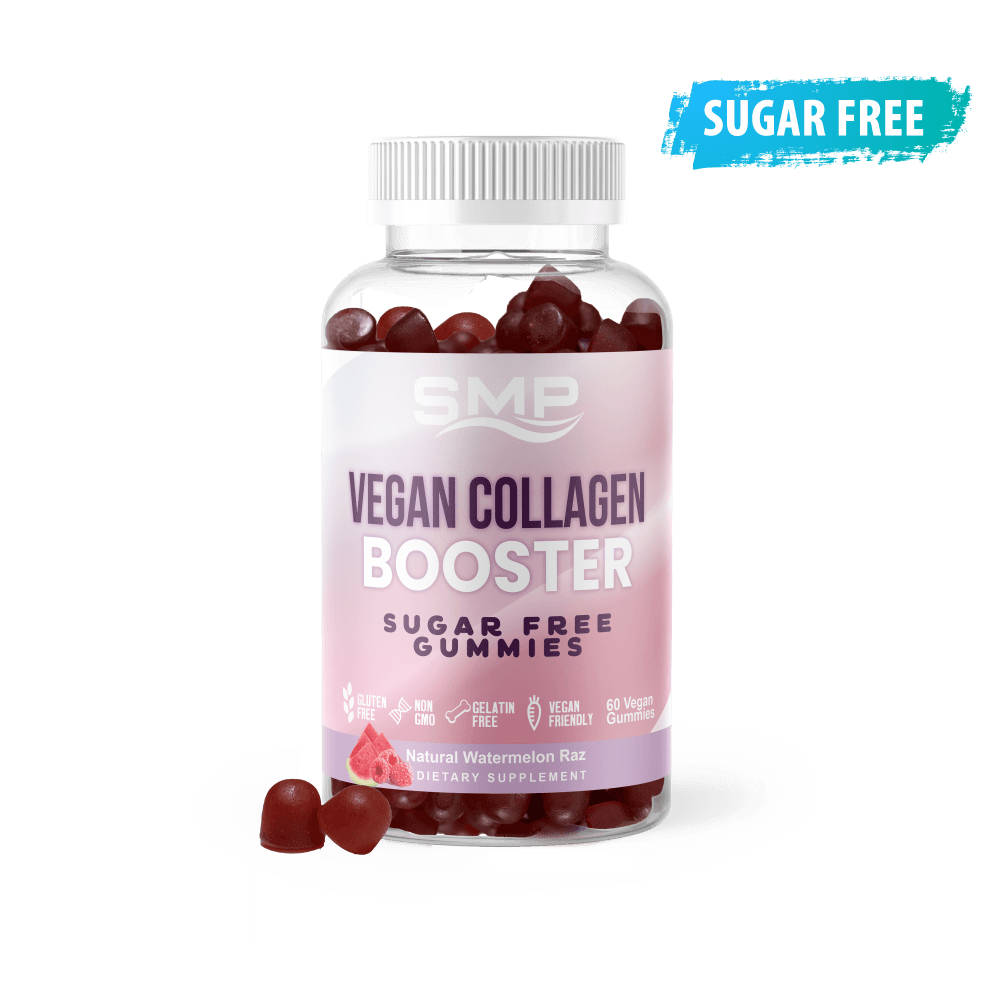
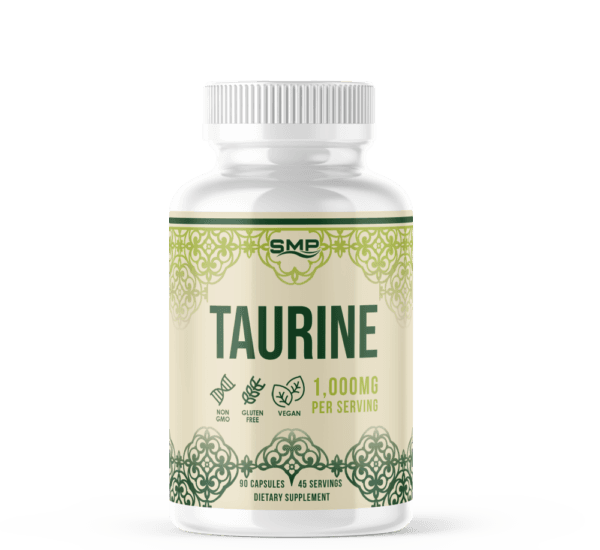
Your amino acid supplement can be bottled in a large selection of package options.
Our team of nutraceutical-specialized graphic designers is ready to make your label look incredible while complying with all required FDA label regulations.
In fact, working with a quality manufacturer makes creating your own line of amino acid products a simple process.
Ready to Start Your Amino Acid Supplement Project?
Fill out our quote request and our team will review your formula and provide competitive pricing with industry-leading lead times.
Get a Custom Quote